
A successful painting project starts with planning
Commercial painting is often treated as a simple visual upgrade, but the quality and durability of the result depend on decisions made before a paint tin is opened. The existing substrate, previous coatings, moisture, traffic, exposure and operating requirements all influence the correct process.
For property managers, painting also involves logistics. Offices, hospitality venues, retail spaces and strata buildings may remain occupied during the project. Access routes need to stay functional, noise and odour need to be managed, and newly coated areas require time before normal use resumes.
A well-planned project improves presentation while protecting the underlying surface. A poorly planned one can lead to peeling, patchy colour, early wear or repeated disruption. The difference is usually found in assessment, preparation and coordination rather than in the final coat alone.
What is the difference between paint and a surface coating
The terms are often used interchangeably, but surface coating is broader. Decorative architectural paint provides colour and a protective film for walls, ceilings, doors and other common building surfaces. Specialist coatings may be designed for greater abrasion resistance, corrosion protection, chemical exposure, slip management or demanding external conditions.
The most expensive or highest-build coating is not automatically the best choice. The system needs to suit the substrate, environment and intended use. A reception wall, steel handrail, commercial kitchen area and external concrete surface have different performance requirements.
Selection should consider the complete system: preparation, primer, intermediate coats where required and the finish coat. Compatibility between layers matters, especially when the existing coating is unknown or damaged.
Signs that a commercial property needs repainting
Fading and loss of colour consistency
UV exposure and weather can fade external coatings, while cleaning, sunlight and everyday use affect internal colour. Uneven fading may become more noticeable after signage or furniture is moved. Repainting can restore a consistent appearance, but external exposure should inform the product choice.
Peeling, flaking or bubbling
Loss of adhesion is more than a cosmetic issue. It may result from poor preparation, incompatible coatings, moisture, contamination or application outside suitable conditions. The failure should be investigated before another coat is applied.
Scuffs, impact marks and worn traffic areas
Corridors, lift lobbies, back-of-house areas and shared entrances experience repeated contact. When frequent touch-ups become obvious or difficult to clean, a more suitable coating system may provide better serviceability.
Chalking, corrosion or exposed substrate
Some aged exterior coatings develop a powdery surface. Metal elements may show rust staining or exposed areas. These signs indicate that preparation and protective treatment may be required, not simply a colour refresh.
A tenancy, brand or use change
Painting is often part of a make-good, fit-out or repositioning project. New colours can align the space with a brand, improve light reflection or create a more cohesive environment. When the use changes, consider whether the existing coating is still suited to cleaning and wear requirements.
Why surface preparation determines the result
Paint adheres to the surface beneath it, so the new finish can only perform as well as that surface allows. Preparation may represent a significant share of the project even though it is less visible than application.
Cleaning and removal of contaminants
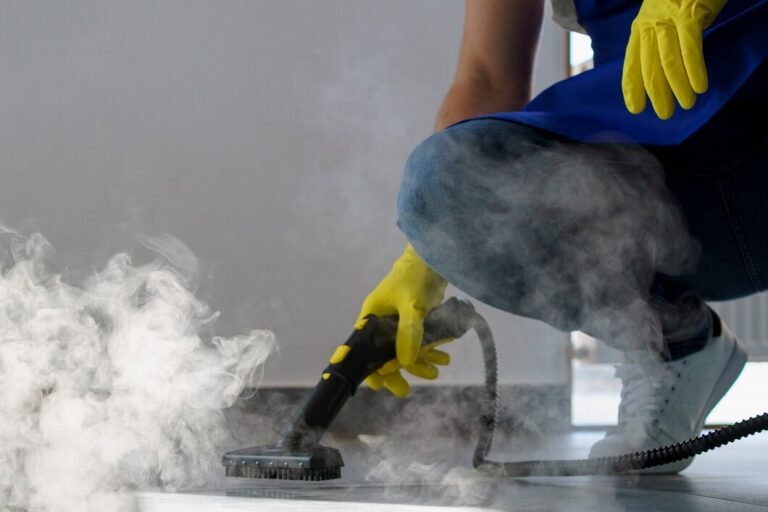
Dust, grease, mould, salts and cleaning residue can interfere with adhesion. The cleaning method must suit the surface and contamination. External washing should be controlled so it does not damage joints, drive water into the building or affect neighbouring areas.
Scraping, sanding and removal of unsound material
Loose or flaking coating needs to be removed back to a sound edge. Sanding can smooth transitions and create a suitable profile, but dust controls and occupant protection are important. Older buildings may require additional assessment before disturbing existing coatings.
Repairing cracks and defects
Small holes and stable surface cracks may be repaired as part of preparation. Recurring cracks, movement joints and moisture-related defects require a more considered response. Rigid filler should not be used where a flexible joint is required, and painting should not conceal active water ingress.
Priming the substrate
Primer can support adhesion, seal porous material, block some stains or provide corrosion protection. The correct primer depends on the substrate and finish system. Skipping primer where it is required may save time initially but reduce the life and consistency of the work.
Creating a representative test area
A test patch can confirm colour, sheen, adhesion and appearance under the site’s lighting. It is particularly useful when coating history is uncertain or the new system differs from the existing finish. Approval of a sample also reduces disputes about colour expectations.
Choosing coatings for different commercial environments
Offices and corporate interiors
Office coatings should balance appearance, cleanability and disruption. Low-odour or lower-emission options may be considered for occupied interiors, subject to performance requirements and product instructions. Washable finishes can be useful in corridors, kitchens and meeting areas, while ceiling and low-contact wall areas may need a different sheen.
Colour affects wayfinding and atmosphere, but it should also work with lighting, furniture and brand elements. Large samples viewed at different times of day are more reliable than a small colour card.
Hospitality and retail spaces
Hospitality and retail properties need coatings that support presentation under frequent cleaning and customer traffic. Walls near service points, entries and circulation routes may require higher resistance to scuffing. Work must often be staged around trading hours, with careful attention to curing and ventilation.
Food preparation zones may have specific cleaning and material requirements. The coating specification should be confirmed for the actual location rather than assuming that a standard wall paint is suitable.
Strata common areas
Foyers, corridors, stairwells, car park entries and shared amenities are used by many people and are often difficult to close completely. Durable, maintainable finishes and a practical staging plan are important. Colour approval should follow the scheme’s decision process, and residents should receive clear notice of access changes and drying times.
External façades and exposed surfaces
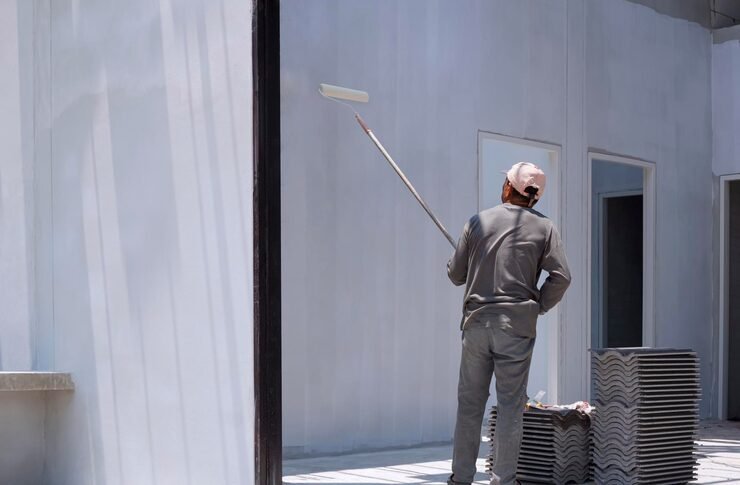
Exterior coatings need to tolerate sunlight, rain, temperature changes and local exposure. Coastal environments can add airborne salts and corrosion pressure to some materials. Substrate condition, joints and water management should be addressed before coating.
Access can be a major part of the project. Scaffolding, elevated work platforms or rope access may require specialist planning and competent operators. The quotation should separate access assumptions so they can be evaluated clearly.
Metal, timber and concrete
Each substrate needs a compatible system. Metal may require rust removal and corrosion-control primers. Timber condition, movement and previous coatings affect preparation. Concrete and masonry can be porous, alkaline or affected by moisture and salts. A single all-purpose specification is unlikely to deliver the best result across every element.
Planning painting work in an occupied building
Divide the project into workable stages
Staging keeps entrances, amenities and circulation routes available. Agree which areas will close, when furniture will move and how completed surfaces will be protected while adjacent work continues.
Schedule around property operations
After-hours or weekend work may reduce disruption, but it can affect access, supervision and cost. Some preparation tasks are noisy, and some products require ventilation or extended cure times. Plan from the property’s operating needs and the coating requirements together.
Protect occupants, assets and neighbouring areas
The work zone should be clearly separated. Protect floors, furniture, glazing, fixtures and equipment from dust and overspray. Discuss sensitive occupants, deliveries, fire exits, security and any areas that cannot be taken out of service.
Communicate changes early
Tenants and residents need timely information about dates, access, odour, noise and temporary restrictions. A short, accurate notice is more useful than a broad warning with no staging detail. Nominate a contact for questions during the project.
Common commercial painting mistakes
Selecting a quote only by price
A low figure may allow less preparation, fewer coats, a different product or limited protection and access. Compare scopes line by line. Confirm areas, preparation standard, coating system, number of coats, exclusions and warranty terms.
Painting over unresolved moisture
Moisture can cause staining, bubbling and adhesion failure. Find and address the source before reinstating the finish. A stain-blocking primer may form part of the final repair, but it is not a substitute for stopping water ingress.
Ignoring cure time
A coating may feel dry before it reaches adequate hardness or resistance. Reopening a door, corridor or benchtop too early can mark the surface. Product instructions and site conditions should guide the return-to-service plan.
Using one coating everywhere
Different rooms and substrates face different wear, moisture and cleaning. Standardising can simplify procurement, but over-standardisation may reduce performance. Use a small, purposeful schedule of coatings matched to each environment.
Failing to keep project records
Without records, future touch-ups and maintenance become guesswork. Keep approved colours, technical information, photographs, completion dates and notes about repaired areas. This information is valuable for future property managers and contractors.
How to compare commercial painting quotes
A complete proposal should identify the exact areas and whether dimensions or quantities have been confirmed. It should describe washing, scraping, sanding, filling, priming and treatment of defects. The proposed products, sheen and number of coats should be stated, together with access equipment and protection measures.
Also review exclusions. Repairs to active leaks, major render failure, extensive timber replacement, hazardous-material work or concealed damage may sit outside the painting scope. If uncertainty exists, the contractor should explain how variations will be assessed and approved.
Ask about supervision, insurance, site inductions, clean-up and disposal. Where specialist access or regulated work is involved, confirm the required competency and licensing. A clear proposal makes it easier to compare value and reduces ambiguity once work begins.
Frequently asked questions about commercial painting
How long does commercial painting take
Time depends on area, preparation, access, number of coats, drying conditions and whether the property remains operational. A contractor should provide a staged program after assessing the site.
Can an office remain open while it is painted
Often, yes, with staging, separation and suitable scheduling. The decision should consider preparation dust, ventilation, product requirements, access and occupants who may be sensitive to odours.
How often should a commercial building be repainted
There is no universal interval. Exposure, traffic, substrate, coating quality, cleaning and maintenance all affect service life. Condition-based inspections are more useful than repainting every area on the same calendar.
Why is my new paint peeling
Possible causes include moisture, contamination, unsound existing paint, incompatible products or inadequate preparation. The failed area should be assessed before recoating.
Should strata properties use one colour throughout common areas
Not necessarily. A coordinated palette can simplify maintenance, but different zones may benefit from different colours or performance finishes. Approvals should follow the scheme’s process.
Plan a commercial finish that works for the property
Commercial painting delivers better value when preparation, coating selection and building operations are considered together. East Shore Co provides painting, surface coating and coordinated property services for commercial, hospitality and strata properties across Sydney, Newcastle and surrounding areas.
Contact East Shore Co to arrange a site assessment and request a painting or surface coating proposal tailored to your property.